
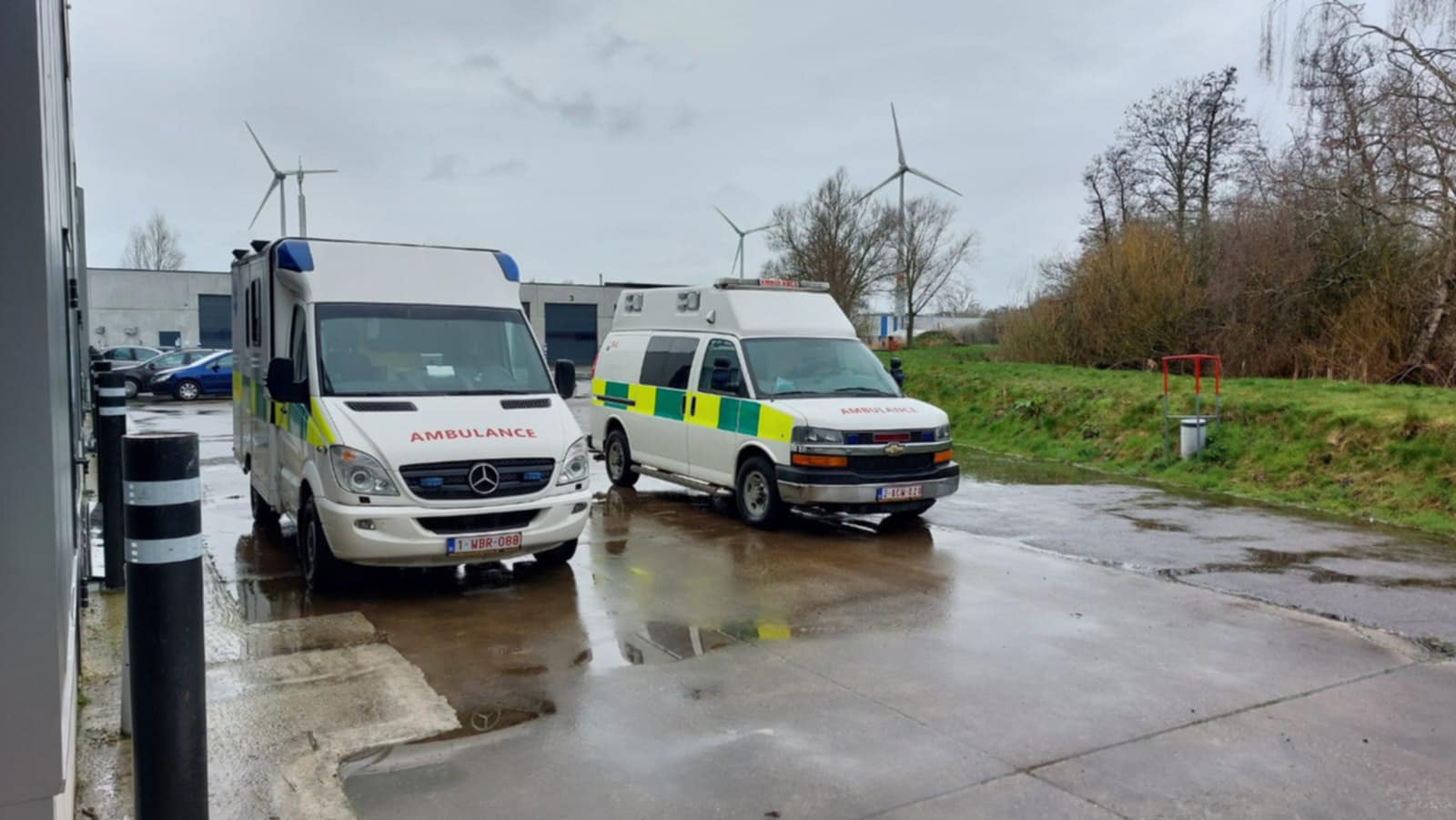
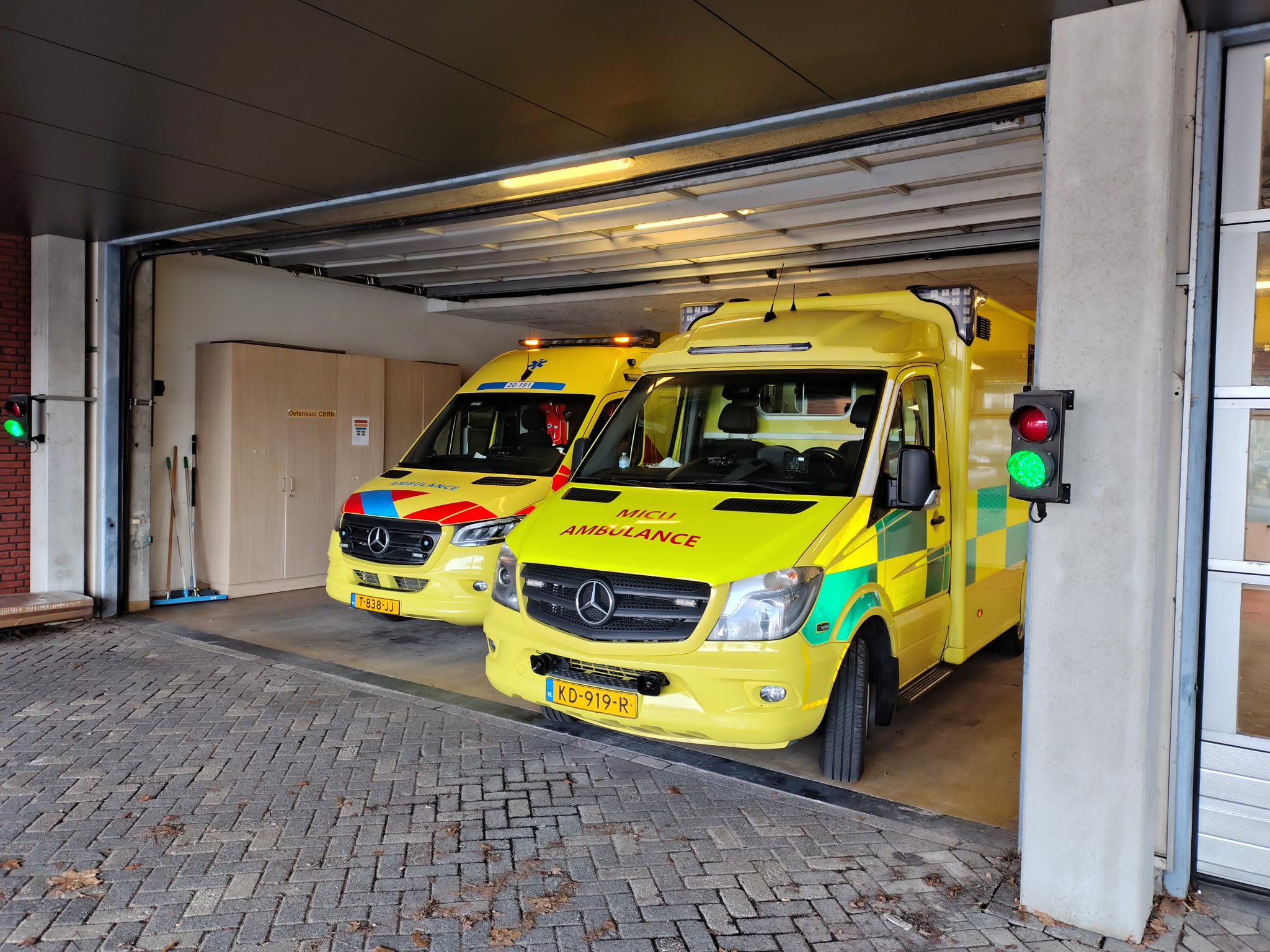
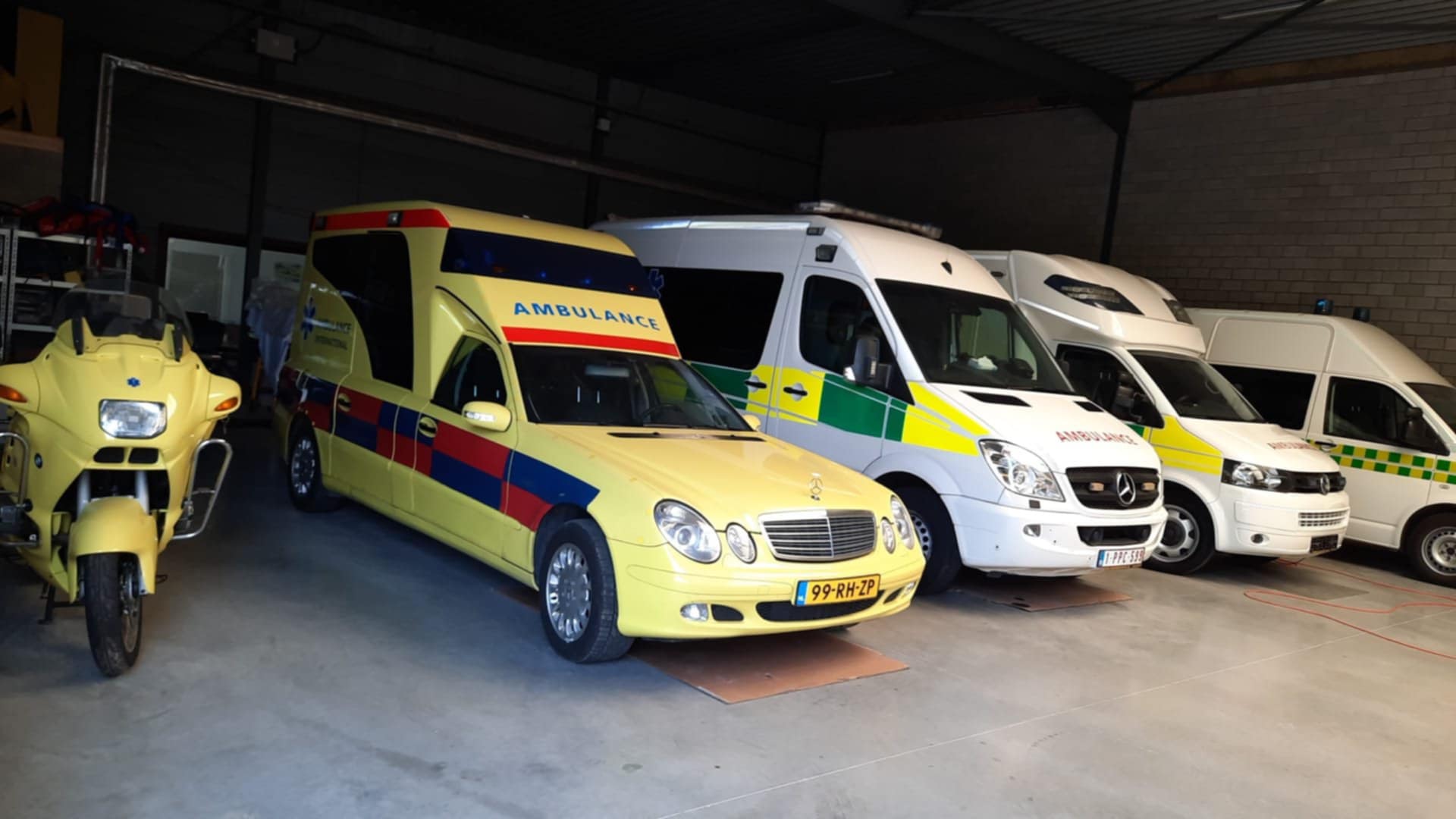
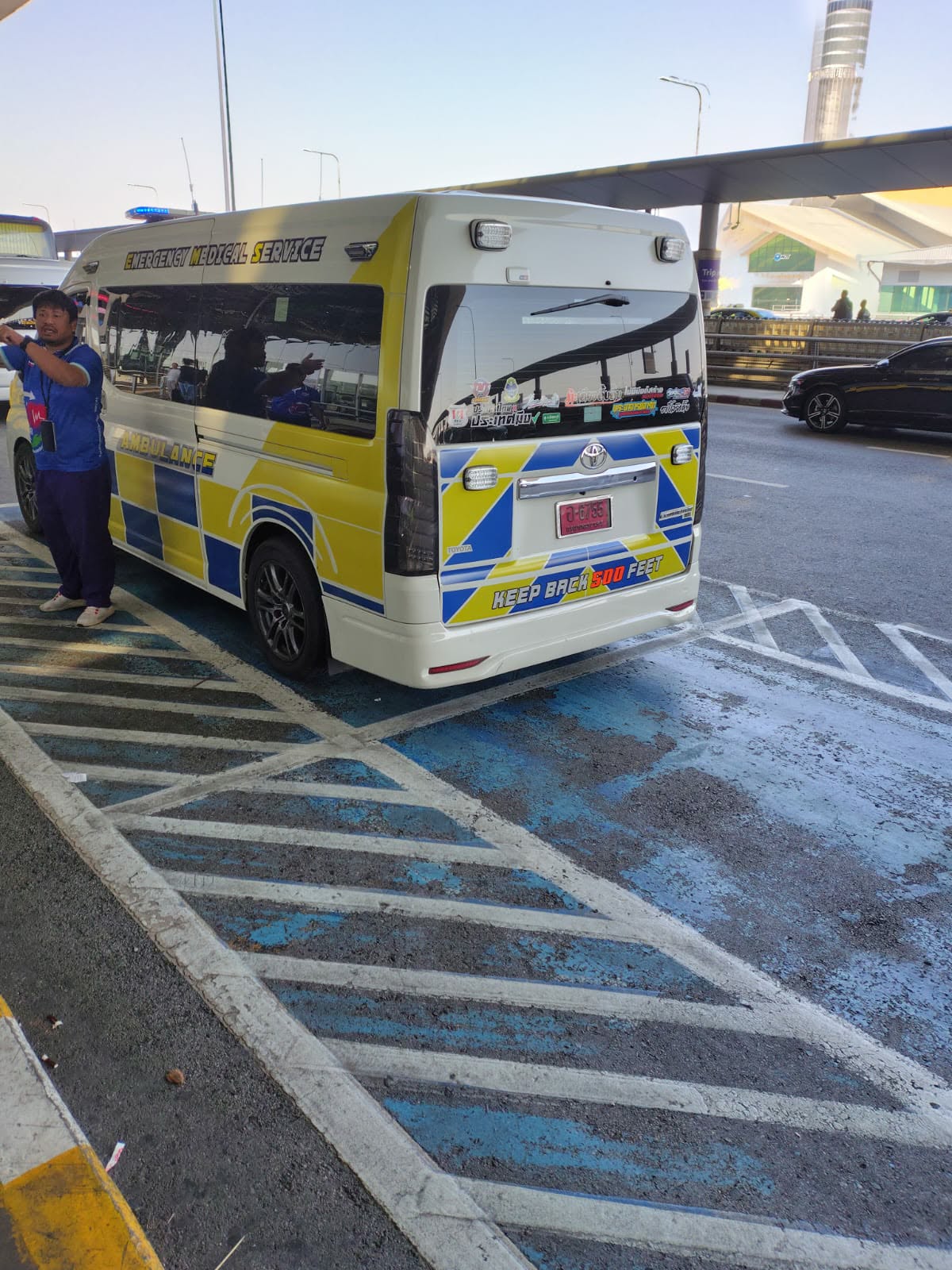
Ground ambulance for international medical repatriation ALS ambulance with advanced medical support BLS ambulance for stable patients during transport MICU ambulance for intensive care patients

Ground Ambulance Repatriation

Safe medical transport by road, from BLS to MICU and NICU. Bryan Morgan Care organizes international ambulance repatriations completely bed-to-bed.

Need ground ambulance?

✉️ Email

We immediately advise which ambulance level is medically appropriate.

What is an ambulance repatriation?

An ambulance repatriation is medical transport by ambulance between a hospital, private address, airport, rehabilitation centre, hospice or other healthcare facility. This may be national, cross-border or part of an international repatriation journey.

Unlike ordinary patient transport, medical repatriation is tailored to the patient’s clinical condition. The ambulance, equipment and crew are selected based on risk, distance, comfort, mobility, medication, oxygen requirements, monitoring and any need for intensive care support.

Bryan Morgan Care organises the entire bed-to-bed journey: from medical assessment and planning to departure, handover en route and safe arrival at the final destination.

BLSFor stable patients who require transport lying down and basic observation.
ALSFor patients at increased risk who require monitoring, infusions or medication during transport.
MICUFor critical or ICU patients requiring ventilation and intensive monitoring.
NICUFor neonates, premature infants and paediatric patients requiring specialised equipment.

When do we choose road ambulance transport?

  • The patient cannot travel safely seated or independently.
  • Oxygen, monitoring or medical observation is required.
  • The distance is medically and practically feasible by ambulance.
  • A transfer is required between two hospitals or healthcare facilities.
  • An airport transfer requires medical supervision.
  • A commercial flight or air ambulance is not necessary or cost-effective.
  • The patient must be transported with dignity, discretion and comfort.

What is included?

  • Medical triage beforehand.
  • Selection of the appropriate ambulance level.
  • Bed-to-bed coordination.
  • Contact with the doctor, hospital or healthcare facility.
  • Medical handover and documentation.
  • Route planning, rest stops and cross-border logistics.
  • Coordination with family, insurance or case manager where necessary.

Types of ambulance transport

Not every ambulance is the same. The appropriate level depends on the patient’s medical condition. Below you will find the main categories used for medical repatriation.

BLS — Basic Life Support

BLS ambulance

BLS is suitable for stable patients who need basic care and supervision during the journey, but do not require advanced medical interventions or intensive care support.

  • Transport lying down or in a semi-seated position.
  • Basic observation during the journey.
  • Oxygen if prescribed or required.
  • Suitable for geriatric, post-operative or rehabilitation patients.
  • Often used for long-distance transfers and as part of worldwide repatriations.

Examples: patient following hip surgery, frail older person, patient unable to sit for extended periods, transfer to rehabilitation or return home after hospitalisation.

ALS — Advanced Life Support

ALS ambulance

ALS is chosen when there is an increased medical risk or when more advanced monitoring is required. The crew and equipment are adapted to the clinical situation.

  • Advanced monitoring of vital signs.
  • Infusion therapy and medication during transport.
  • Cardiac observation and support.
  • Suitable for post-infarction, post-operative or more complex patients.
  • Supervision by specialised nursing or medical staff.

Examples: patient with a cardiac history, increased oxygen requirement, complex pain management, medication via infusion or need for continuous clinical observation.

MICU — Mobile Intensive Care Unit

MICU ambulance

A MICU is a mobile intensive care unit. This type of ambulance is used for critical, unstable or ventilated patients who require continued ICU care during transport.

  • ICU monitoring throughout the entire journey.
  • Ventilation and airway management where necessary.
  • Infusion pumps, syringe pumps and critical medication.
  • ICU nurse, doctor or specialised team.
  • Suitable for intensive care transfers between hospitals.

Examples: ventilated patient, sepsis or respiratory insufficiency, multi-trauma, neurological patient, complex ICU transfer or high-dependency repatriation.

NICU / Paediatric

NICU and paediatric ambulance

Babies, premature infants, neonates and children require adapted equipment and specialised expertise. These transports are carefully prepared with the parents, referring hospital and receiving department.

  • Transport incubator where necessary.
  • Paediatric or neonatal monitoring.
  • Thermoregulation and specialised equipment.
  • NICU nurse or paediatric medical team.
  • Transfers between NICUs, PICUs or specialised hospitals.

Examples: transport of a premature infant, baby requiring respiratory support, transfer to a specialised children’s hospital or international return to the country of origin.

Palliative / comfort care

Palliative ambulance repatriation

Some patients wish to return home, to family, a hospice or a familiar care environment. In palliative transport, comfort, dignity and peace are central.

  • Calm and respectful support.
  • Pain relief, comfort medication and oxygen where necessary.
  • Possibility for one family member to travel along, where feasible.
  • Discreet transport home, to a hospice or healthcare facility.
  • Close coordination with doctors and family.

This type of transport requires not only medical competence, but also compassion and careful communication.

Airport ambulance transfer

Ambulance to or from the airport

Ambulance transport is often combined with a medical escort on a commercial flight or an air ambulance. The ambulance safely takes the patient from bed to the airport and from the airport to the final destination.

  • Collection from a hospital, hotel, home or healthcare facility.
  • Coordination with the airline, airport and handling agent.
  • Handover to the medical escort team or air ambulance crew.
  • Arrival ambulance to hospital, home or rehabilitation.
  • Continuity of care without interruption.

This is essential for international repatriations involving multiple modes of transport.

Comparison: BLS, ALS, MICU and NICU

The table below provides a simple indication. The final choice is always made after medical assessment of the condition, distance, risks and available information.

Type For whom? Typical support Examples
BLS Stable patients Basic observation, transport lying down, oxygen if required Rehabilitation, geriatric care, stable post-operative patients
ALS Patients at increased risk Monitoring, medication, infusions, specialised supervision Cardiac risk, complex recovery, increased oxygen requirement
MICU ICU or critical patients Ventilation, ICU monitoring, syringe pumps, doctor/ICU team Ventilated patient, multi-trauma, sepsis, respiratory insufficiency
NICU Neonates, premature infants and children Incubator, paediatric monitoring, NICU team Transport of a premature infant, baby or child to a specialised centre

Worldwide long-distance transport

Ambulance transport is used worldwide as part of medical repatriation. Within Europe, the entire journey can often be completed by ambulance. For intercontinental repatriations, for example from America, Asia, Africa, the Middle East or Oceania, we combine ambulance transport with an air ambulance, private jet or medical escort on a commercial flight.

Typical journeys include, for example, Spain to Belgium or the Netherlands, France to Germany, Italy to Switzerland, as well as transfers from or to the United States, Canada, Thailand, the Philippines, South Africa, Morocco, Turkey, Dubai or other worldwide destinations.

For long distances, we take into account clinical stability, pain control, hydration, pressure sore prevention, medication times, rest breaks and handover on arrival.

When is an air ambulance better?

Ambulance transport is not always the best option. For very long distances, extreme urgency, unstable patients or when time is medically critical, an air ambulance or private jet may be safer and more efficient.

Sometimes we combine both: ambulance to the airport, air ambulance or commercial flight, and then another ambulance to the final destination.

Read more about air ambulance & private jet

How does an ambulance repatriation work?

Medical triage

We collect medical information, departure point, destination and urgency.

Advice & quotation

We recommend BLS, ALS, MICU, NICU or a combination with a flight.

Planning

We arrange the team, vehicle, equipment, route and handovers.

Bed-to-bed transport

The patient is collected, accompanied and safely handed over.

What we need at a minimum

  • Patient’s age.
  • Departure address or hospital.
  • Destination: home, hospital, hospice or rehabilitation facility.
  • Brief medical diagnosis or reason for admission.
  • Mobility: seated, wheelchair, lying down or stretcher.
  • Oxygen, medication, infusion, monitoring or ventilation.
  • Preferred date and urgency.

Family and accompanying persons

If medically, practically and legally possible, one family member may sometimes travel in the ambulance. This is assessed for each journey based on space, distance, patient safety and local regulations.

For vulnerable, cognitively impaired, palliative or anxious patients, the presence of family can be an important source of comfort.

Why Bryan Morgan Care?

  • International experience with medical repatriations and long-distance transfers.
  • Bed-to-bed coordination with one point of contact.
  • Choice of BLS, ALS, MICU, NICU and combined journeys.
  • Medical teams tailored to the patient’s condition.
  • Respectful approach to geriatric, palliative and complex situations.
  • 24/7 availability for urgent requests.
  • Transparent explanation of medical feasibility, timing and alternatives.

Frequently asked questions about ambulance transport

Can an ambulance travel internationally?

Yes, international ambulance repatriations are possible worldwide. Within Europe, an entire journey can often be completed by ambulance. For longer intercontinental distances, we usually combine ambulance transport with an air ambulance, private jet or medical escort on a commercial flight.

Is ambulance transport cheaper than an air ambulance?

Often, especially for shorter or European journeys. For very long distances, intercontinental repatriation, urgency or unstable patients, an air ambulance may be medically preferable.

Can a patient be transported lying down?

Yes, ambulance transport is particularly suitable for patients who need to travel lying down, semi-seated or on a stretcher.

Can oxygen or medication be administered en route?

Yes, depending on the ambulance level selected. ALS and MICU offer more extensive medical capabilities than BLS.

Request an ambulance repatriation directly

Send us the departure point, destination, age and medical situation. We will quickly advise you on the appropriate ambulance level.

Start your request
💬 WhatsApp